New Year, New Smile Resolutions: A Guide to Setting Realistic Oral Health Goals

January 3, 2026

January is a time for fresh starts, new routines, and positive change. While many people focus on fitness or nutrition, one of the easiest — and most impactful — resolutions you can make is taking better care of your smile.

The best part? You don’t need major lifestyle changes to see a difference. A few simple, realistic habits can dramatically improve your oral health throughout the year.

If you’re ready for a healthier, brighter smile in 2026, here’s how to set achievable oral health goals you can actually stick to.


Start With the Basics: Brush Twice a Day

A stronger smile begins with consistency. Brushing twice a day removes plaque, prevents cavities, and keeps your gums healthy. Yet many people skip a brushing session when life gets busy or they feel tired at night.


Instead of aiming for perfection, focus on creating a routine you can maintain. Try brushing at the same times each day — such as right when you wake up and right before bed. Keeping your toothbrush visible on the counter or storing an extra one in your travel bag can help eliminate excuses.


If you want to take things a step further, consider switching to an electric toothbrush. Many models include built-in timers to guide you through a full two-minute brushing session.


Make Flossing More Doable (Not Optional!)

Flossing is one of the most effective ways to prevent gum disease and tooth decay — but it’s also the habit most people struggle with.


Instead of telling yourself you’ll “start flossing every single day,” begin with smaller, more realistic steps. Try flossing three or four days a week at first.

Once that becomes routine, add more days until flossing feels as natural as brushing.


If traditional floss frustrates you, explore alternatives like floss picks, interdental brushes, or water flossers. The best flossing tool is the one you’ll actually use.


Stay Hydrated and Cut Back on Sugary Drinks

Drinking more water is one of the simplest ways to improve both your oral and overall health. It helps wash away bacteria, reduces the risk of cavities, prevents dry mouth, and even keeps your breath fresher.


Try swapping one sugary drink a day for water. Over time, this small change can significantly reduce the acid exposure that weakens your enamel.


Refresh Your Tools Regularly

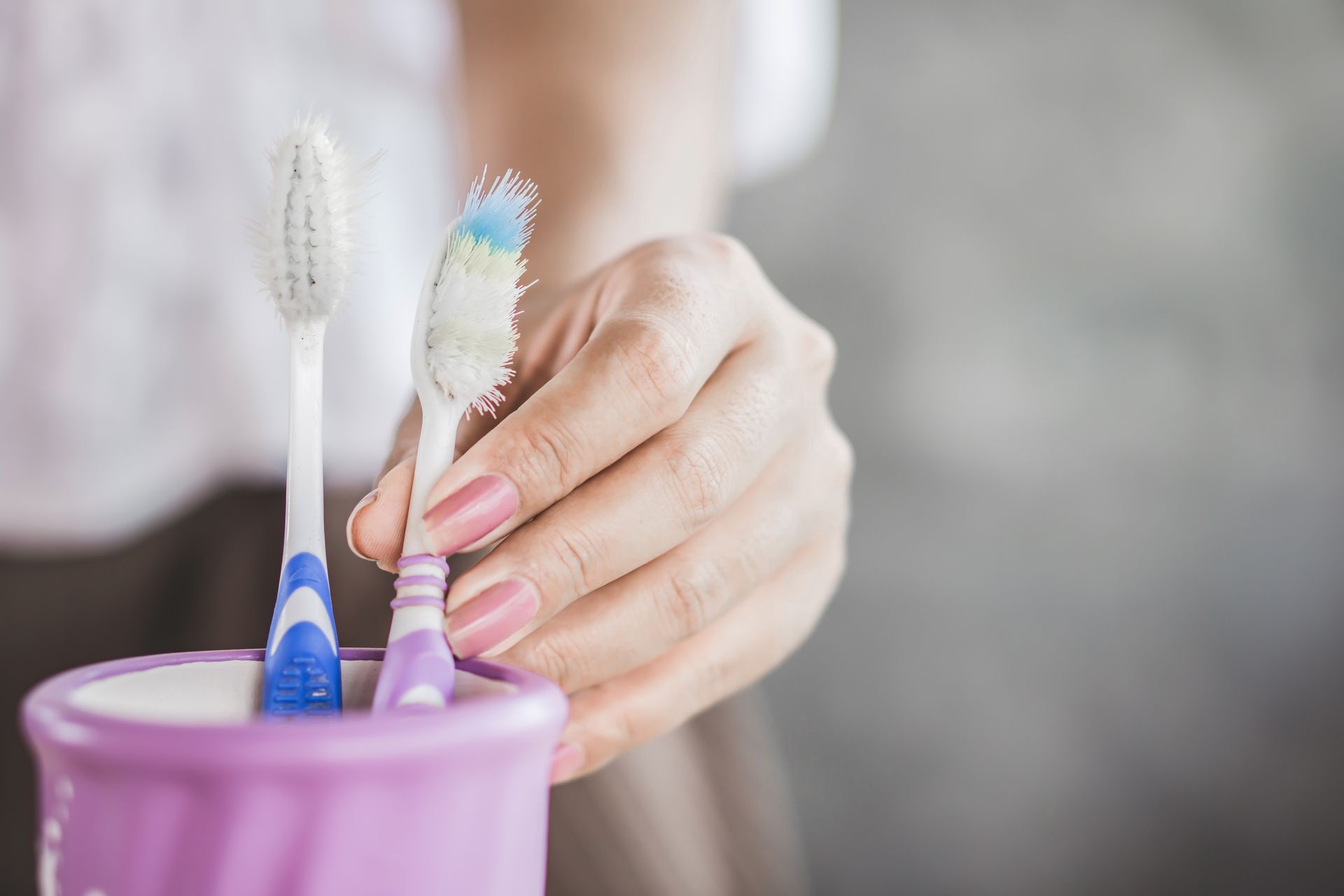
A worn-out toothbrush can’t clean your teeth effectively. Set a reminder to replace your toothbrush or brush head every three months — or sooner if the bristles begin to bend outward.


Starting the new year with fresh tools can make your routine feel more satisfying and help ensure you’re doing the best job possible.


Commit to Routine Dental Visits

One of the most impactful resolutions you can make is to stay consistent with your dental checkups. Professional cleanings remove tartar and buildup that brushing can’t, and routine exams help detect issues before they become painful or costly.


Many patients find it helpful to schedule both of their yearly cleanings at the start of the year. This keeps you on track and ensures you don’t forget as schedules get busier.


Set Yourself Up for Success With Small, Sustainable Changes

The key to lasting dental resolutions is choosing goals that feel realistic, not overwhelming. Whether it’s improving your brushing habits, flossing more often, drinking more water, or staying on schedule with your dental visits, even small improvements can create big results over time.


A healthier smile doesn’t happen overnight — it happens from small choices repeated day after day.


If you’re ready to kick off the new year with strong habits and a confident smile, we’re here to help. Schedule your next appointment and let’s make 2026 your best oral health year yet!
By Kailyn Pennock January 16, 2026
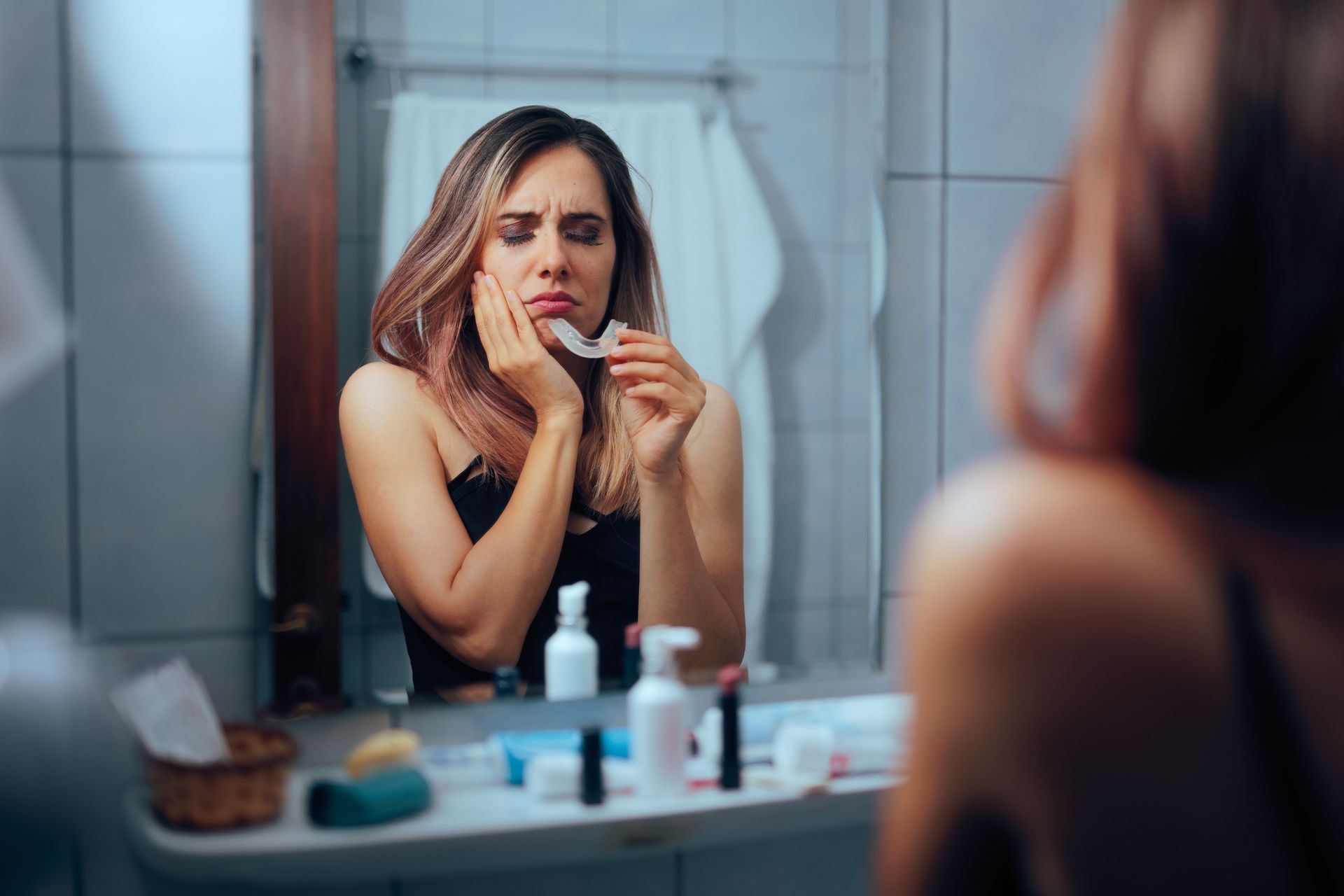
Why Holiday Stress Leads to Clenching and Grinding Stress doesn’t just affect your mood — it affects your muscles. During busy or anxious periods, many people clench their jaw throughout the day without realizing it. But even more common is nighttime grinding , where the jaw muscles tighten while you sleep. Holiday stressors like irregular schedules, late nights, and fatigue can trigger this without you even noticing until discomfort appears. Grinding can generate pressure up to 250 pounds , which your teeth and jaw aren’t meant to endure repeatedly. How Clenching and Grinding Affect Your Oral Health The symptoms might start subtle, but they can quickly progress. Grinding and clenching can lead to: Flattened or worn-down teeth Cracks, chips, or fractures Heightened tooth sensitivity Sore or tight jaw muscles Facial or ear pain Popping or clicking in the jaw Tension headaches or migraines Inflammation in the TMJ joint Left untreated, grinding can result in permanent damage that requires restorative dentistry later on. Why January Is the Right Time to Address It After weeks of holiday activity, your body finally slows down — and that’s when symptoms often surface. January is when many patients realize they’ve been clenching through sleep or stress without noticing. By addressing it now, you can prevent further damage, relieve pain, and start the new year with better oral health. How a Dentist Can Help: Night Guards & TMJ Relief One of the most effective solutions for grinding is a custom night guard . Unlike store-bought versions, professional night guards are designed to: Fit comfortably Protect enamel Absorb pressure Reduce muscle tension Support proper jaw alignment They serve as a protective barrier between your teeth and give your jaw muscles the break they desperately need. Your dentist can also evaluate your TMJ (temporomandibular joint) to determine if additional therapies or treatments might help reduce inflammation or improve mobility. What You Can Do at Home While a night guard provides long-term protection, small daily habits can help reduce tension: Apply warm compresses to the jaw Practice gentle jaw stretching Avoid chewing gum Reduce caffeine before bedtime Focus on relaxing your jaw during the day (“lips together, teeth apart”) These simple steps can help lower clenching intensity while you work toward a more comfortable, healthy jaw. Give Your Smile a Fresh Start This Year If you’re waking up with tightness, headaches, or sore teeth, don’t ignore the signs. Post-holiday stress can take a toll, but with early care, you can protect your teeth and improve your comfort. Whether you suspect grinding or want to assess your TMJ health, we’re here to help you start the new year pain-free and confident. Schedule your consultation today and give your smile the relief it deserves.
By Kailyn Pennock January 8, 2026
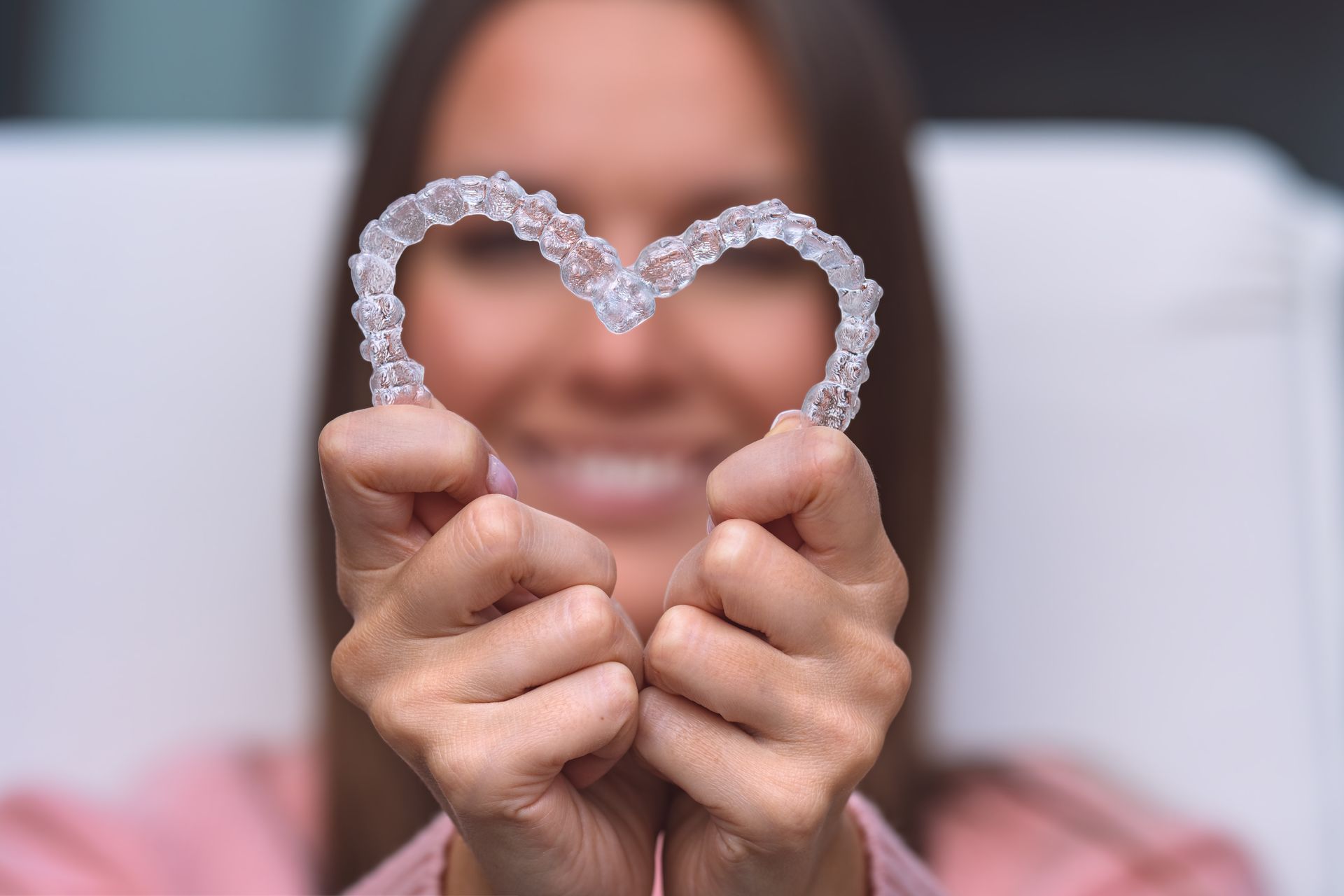
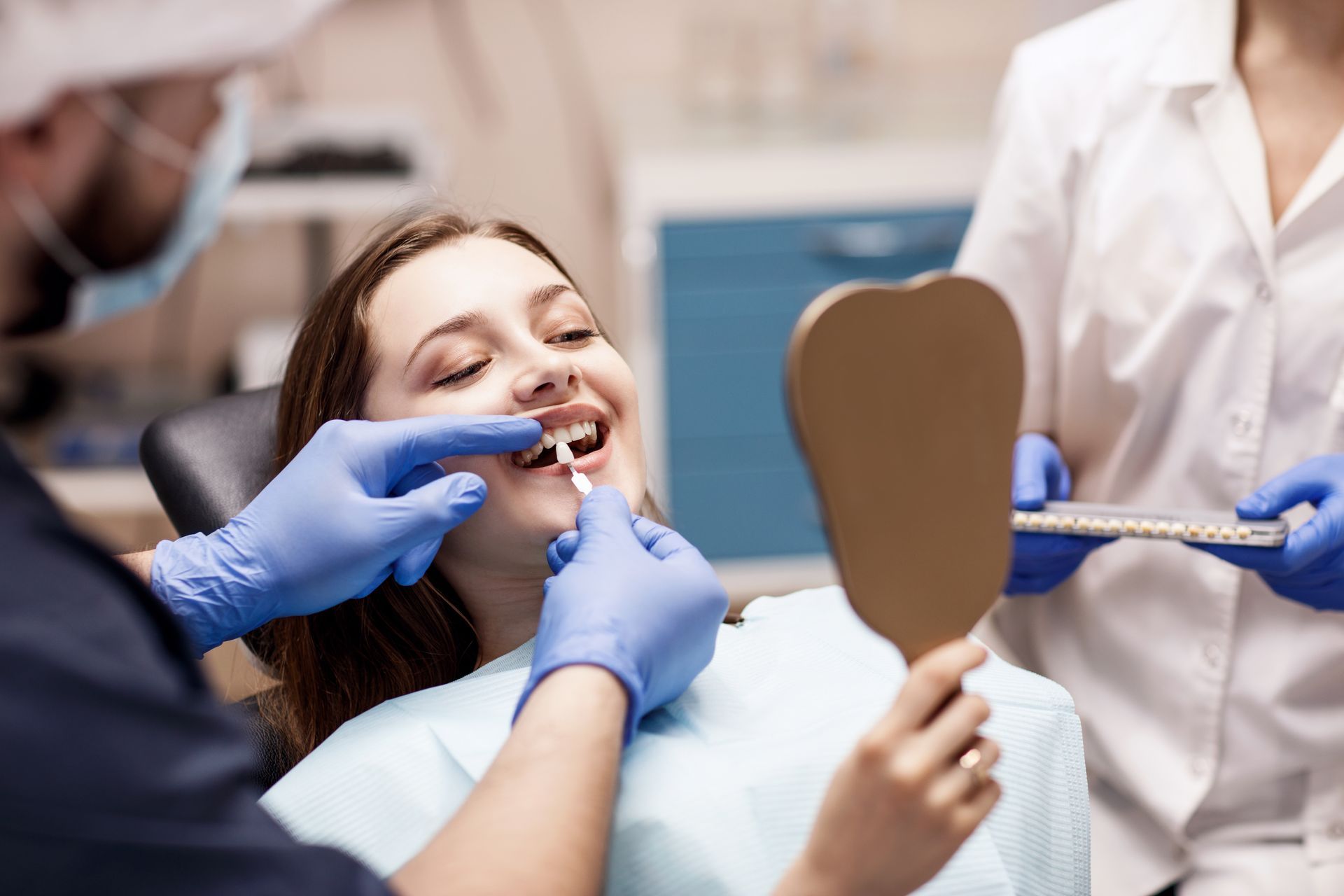
Why Consider Cosmetic Dentistry? Your smile is one of the first things people notice. When you feel confident about it, everything from photos to social interactions becomes easier. Cosmetic dentistry can help fix common concerns such as stains, chips, crowding, spacing, worn edges, and more — often with fast and comfortable treatment options. Here are some of the most popular ways people transform their smiles: Professional Teeth Whitening A simple, effective way to brighten your smile several shades and remove deep stains from coffee, wine, and everyday habits. Clear Aligners A discreet, comfortable way to straighten teeth without metal braces. Perfect for adults looking for a subtle orthodontic option. Veneers Thin porcelain shells that create flawless, natural-looking results. Veneers can change tooth shape, size, color, and alignment all at once. Cosmetic Bonding A quick, conservative way to reshape chipped or uneven teeth in a single visit. Smile Makeovers A fully customized plan that may combine multiple cosmetic treatments to create your dream smile. Why the New Year Is a Great Time to StarT Beginning treatment in January allows you to plan ahead for vacations, holidays, or special events later in the year. Many patients also find that a smile transformation boosts their confidence and motivates other positive habits throughout the year. If you’ve been thinking, “One day I’ll fix my smile,” consider this your sign — this year can be your year. Schedule a consultation to explore your options and see what modern cosmetic dentistry can do for you.
By Kailyn Pennock December 22, 2025
1. Pack a “Holiday Dental Go-Bag” Having the right tools on hand makes all the difference. Prepare a small dental kit you can toss in your carry-on or purse. What to include: Travel-size toothbrush Travel toothpaste (fluoride-based) Floss or floss picks Sugar-free gum Compact mouthwash A reusable water bottle A small case for aligners or retainers (if needed) Pro tip: Keep this kit pre-packed year-round so you never have to scramble before a trip. 2. Stick to Your Brushing & Flossing Routine Busy travel days can make it easy to skip brushing—especially during red-eye flights or long drives. But keeping your routine intact is vital. Quick tips to stay on track: Brush and floss before you leave the house Set phone reminders for morning and nighttime If you forget to floss, floss midday instead of skipping entirely Keep a toothbrush in your car for unexpected overnights Consistency beats perfection! 3. Be Smart About Airport & Road-Trip Snacks Traveling and snacking go hand-in-hand—but many common travel snacks are tough on your teeth. Try to avoid: Sticky gummies Hard candies Crackers and chips (cling to teeth like sugar!) Sweetened coffee drinks Soda Smile-friendly swaps include: Nuts Apples or carrot sticks Cheese Sugar-free gum Plain water If you must indulge, rinse with water afterward to help wash away sugar and acids. 4. Stay Hydrated—Especially on Planes Airplane cabins are notoriously dry, which can lead to dry mouth , a major contributor to cavities and bad breath. Protect your smile by: Drinking plenty of water before and during your flight Avoiding alcohol and caffeine, which dehydrate you Using sugar-free gum to stimulate saliva Carrying a refillable water bottle Good hydration is one of the easiest ways to protect your teeth while traveling. 5. Keep Your Aligners or Retainers Safe If you wear clear aligners or a retainer, travel increases the risk of misplacing them. To avoid accidents: Never wrap aligners in a napkin (they will get thrown away!) Use a brightly colored case so it’s easy to spot Clean your aligners with cool water—never hot Always pack a backup case If you lose an aligner, contact your dental office right away for next steps. 6. Prepare for Dental Emergencies—Just in Case No one wants a dental emergency during the holidays, but they can happen. Know what to do if you experience: A chipped tooth: Keep any pieces and call your dentist A lost filling or crown: Temporary dental cement (found at drugstores) can help Swelling or pain: Rinse with warm salt water and seek care if it worsens If you’re traveling long distances, ask your dentist beforehand if they have recommendations for trusted providers in other cities. 7. Get a Pre-Travel Checkup (If Possible) If you’re prone to sensitivity, gum issues, or cavities, scheduling a quick checkup before your trip can prevent problems from popping up while you’re away. A cleaning or exam ensures you travel with peace of mind—and a healthy, fresh smile. Travel Confidently This Holiday Season The holidays are meant to be full of fun, family, and celebration—not dental problems. With a little planning and a few simple habits, you can keep your smile healthy no matter where the season takes you. If you're heading out of town or want to ensure your teeth are in great shape for the holiday festivities , we’re here to help you prepare. Schedule your pre-travel visit today and enjoy a stress-free, smile-friendly holiday season!
By Kailyn Pennock December 18, 2025
Your Benefits Don’t Roll Over Most dental insurance plans operate on a use-it-or-lose-it policy. This means if you don’t use your benefits this year, they expire , your deductible resets , and a new annual maximum starts on January 1st. If you skip your visit, any coverage you paid for through premiums simply goes to waste. Preventive Care Is Usually Fully Covered Most insurance plans cover preventive services — like cleanings, exams, and X-rays — at 100%. This means you can get a professional cleaning, catch dental issues early and keep your smile healthy all without paying out of pocket. If you haven’t had both of your covered cleanings this year, now is the time! Early Treatment Saves Money (and Prevents Bigger Problems) Small dental issues can turn into bigger (and more expensive) problems if ignored. A tiny cavity today may become a root canal or crown next year. When you use your benefits before they reset, you can: Address concerns early Reduce your future costs Improve your long-term oral health It’s truly an investment in your smile. Deductibles Reset in January Have you already met your deductible this year? If so, completing your treatment before December 31st can save you money — because your insurance may cover more of the cost now than it will once the deductible resets in the new year. Appointment Spots Fill Up Fast Dental offices get extremely busy in November and December as patients try to use their remaining benefits. By scheduling now, you’ll secure a time that works with your schedule and avoid last-minute stress. It’s the Perfect Time to Plan for 2025 Your end-of-year appointment also helps you set oral health goals, discuss cosmetic or orthodontic options,build a care plan for the new year AND start 2025 with a healthy, confident smile Don’t Let Your Benefits Go to Waste You pay for your dental insurance benefits — make sure you get the full value before the year ends. Whether you’re due for a cleaning or need to finish recommended treatment, we’re here to help you maximize your coverage. Call us today or schedule online to secure your end-of-year visit. Your smile (and your wallet) will thank you!
By Kailyn Pennock December 11, 2025
Holiday Foods: What’s Safe & What to Watch Out For 1. Sticky Sweets (Be Cautious!) Candies like caramels, toffees, and gummy treats cling to your teeth longer than other sweets, feeding cavity-causing bacteria. Better choice: Chocolate — it melts quickly and is easier to rinse away. 2. Hard Candies Peppermint sticks and hard holiday sweets can crack teeth if you bite down the wrong way. Better choice: Soft peppermint or holiday chocolates. 3. Salty Party Snacks Chips, crackers, and snack mixes break down into sugars that stay trapped between teeth. Better choice: Cheese, nuts, veggies, or protein-based snacks. 4. Acidic Drinks Sparkling wine, ciders, sodas, and cocktails weaken enamel and increase sensitivity. Better choice: Water between drinks, and avoid constant sipping. How to Enjoy Holiday Treats Without the Damage 1. Enjoy Sweets With Meals Your mouth produces more saliva during meals, which helps rinse away sugars and acids more effectively. 2. Drink More Water Water helps neutralize acids, rinse away debris, and keep your breath fresh. 3. Limit All-Day Grazing Frequent snacking prevents your mouth from returning to a healthy pH level, raising cavity risk. Try choosing set snack times instead of nibbling all day. 4. Brush or Rinse After Desserts If brushing isn’t possible, rinse with water or chew sugar-free gum to help clean your mouth. Smile Tips for Holiday Travel Late nights, busy schedules, and holiday trips can interrupt routines. Keep a small dental kit in your travel bag with: Travel-size toothbrush & toothpaste Floss or floss picks Sugar-free gum A reusable water bottle You’ll be prepared no matter where the season takes you. Keep Your Smile Bright All Season The holidays are a time to celebrate — not to stress about your teeth. With mindful choices and healthy habits, you can enjoy your favorite festive foods while protecting your smile. If you want to start the new year with a healthier, brighter smile, schedule your post-holiday checkup with us. We’re here to help you keep your smile merry and bright!
By Kailyn Pennock December 4, 2025
 1. Stress Can Cause Teeth Grinding (Bruxism) When stress levels rise, many people clench or grind their teeth—often without realizing it. This can happen during the day or, more commonly, during sleep. Signs You May Be Grinding Your Teeth: Morning headaches Jaw soreness or tightness Ear pain Chipped or worn-down teeth Disrupted sleep How to Manage It: Try a warm compress on your jaw before bed Practice relaxation techniques like deep breathing Avoid caffeine or alcohol late in the day Ask your dentist about a custom night guard to protect your teeth Night guards can significantly reduce the pressure on your jaw and prevent long-term damage to your smile. 2. Stress Weakens the Immune System—Increasing Gum Issues During stressful periods, your immune system can become less effective. This makes it harder for your body to fight off inflammation, including in your gums. Holiday stress, paired with a seasonal increase in sugar consumption, can raise your risk of: Gum sensitivity Bleeding gums Mild gum infections Gingivitis flare-ups How to Protect Your Gums: Brush twice a day for at least 2 minutes Floss daily (even during busy holiday schedules!) Rinse with an alcohol-free antibacterial mouthwash Stay hydrated—water helps fight inflammation and wash away bacteria Consistency matters more than perfection! 3. Stress Can Lead to Dry Mouth Stress changes your saliva production—often lowering it. Pair that with holiday travel, extra coffee, or alcohol, and you may experience dry mouth, a common cause of: Bad breath Increased cavities Gum irritation How to Keep Your Mouth Moisturized: Drink plenty of water Limit caffeine and alcohol Chew sugar-free gum to stimulate saliva Use a humidifier while you sleep Your saliva is one of your strongest natural defenses against cavities, so keeping your mouth hydrated matters. 4. Stress Eating Can Harm Your Teeth It’s no secret that the holidays bring sugary treats—cookies, candy, hot cocoa, cocktails, and more. Stress can make us reach for these sugary “comfort foods” even more frequently. How to Reduce the Impact on Your Teeth: Rinse with water after sugary snacks Try eating sweets with meals (not alone) Choose dark chocolate over sticky treats Keep sugar-free mints or gum on hand Balance sweets with crunchy fruits and veggies No need to skip the holiday goodies—just enjoy them mindfully. 5. Stress Can Make You Skip Your Routine With everything going on, brushing and flossing can fall down the priority list. Even a few rushed nights or missed brushings can increase plaque and bacteria. Easy Ways to Stay Consistent: Keep a travel-size dental kit in your bag Set quick reminders on your phone Make brushing part of your wind-down routine Brush before you’re too tired Even during the busiest days, 2 minutes twice a day makes a big difference. Take Care of Your Smile This Holiday Season The holidays may be hectic, but your oral health doesn’t have to suffer. With a few mindful habits and stress-management strategies, you can enjoy the season while keeping your smile healthy and protected. And if you’re experiencing jaw pain, grinding, gum irritation, or tooth sensitivity, don’t wait—our team is here to help keep your oral health in great shape through the holidays and beyond. Ready for a seasonal checkup or advice on protecting your smile? Call us today to schedule your visit!
June 1, 2025
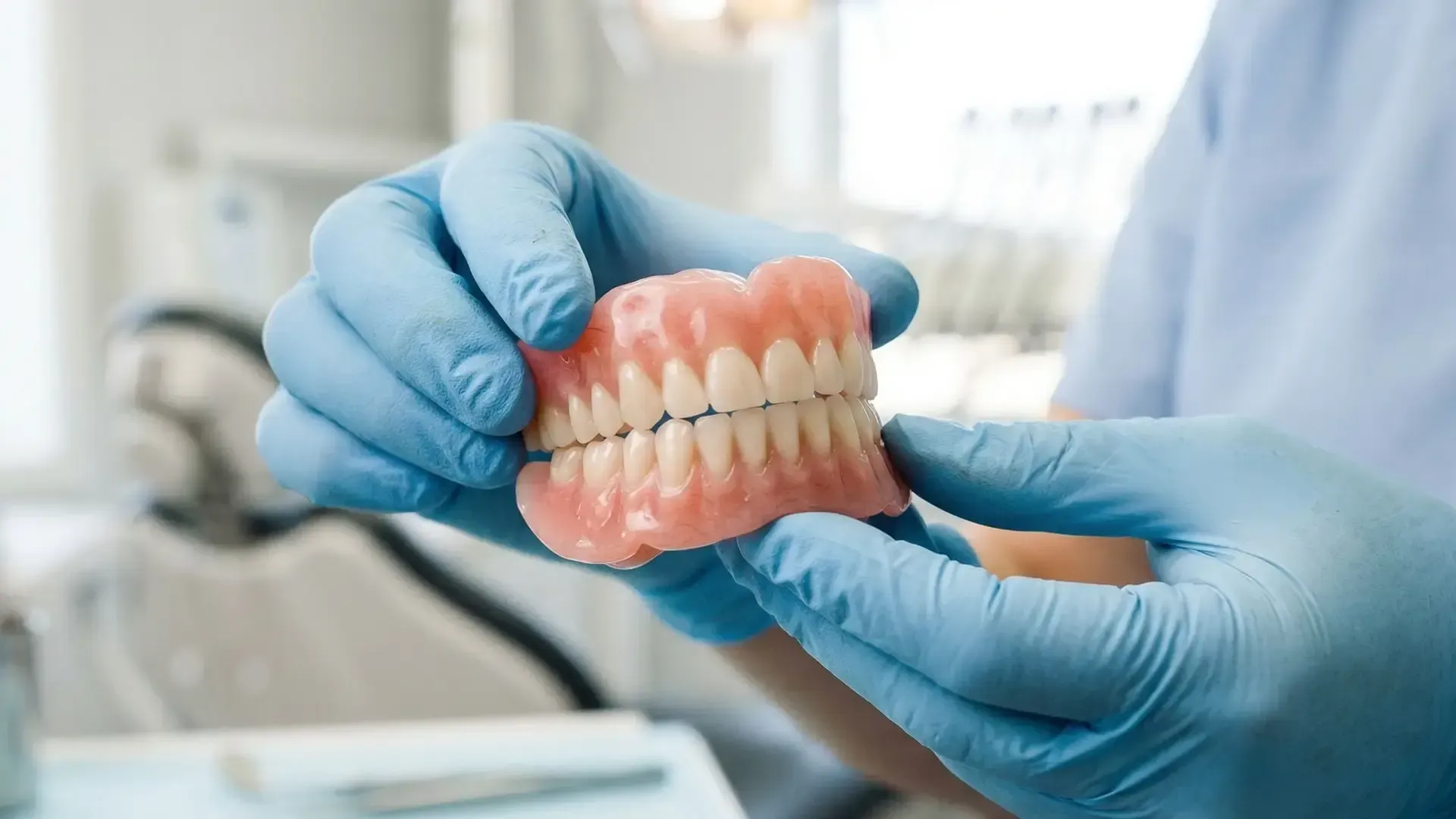
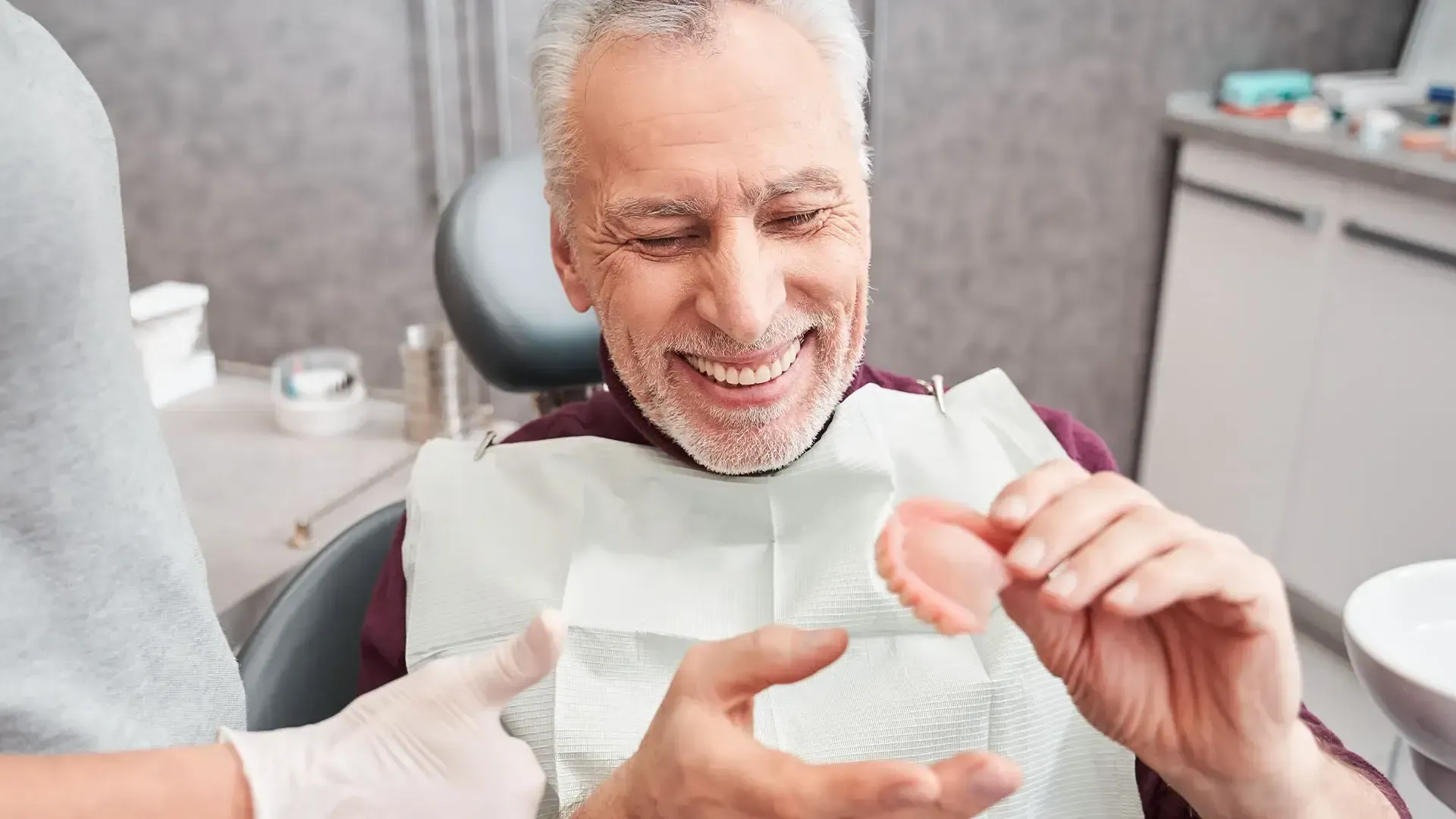
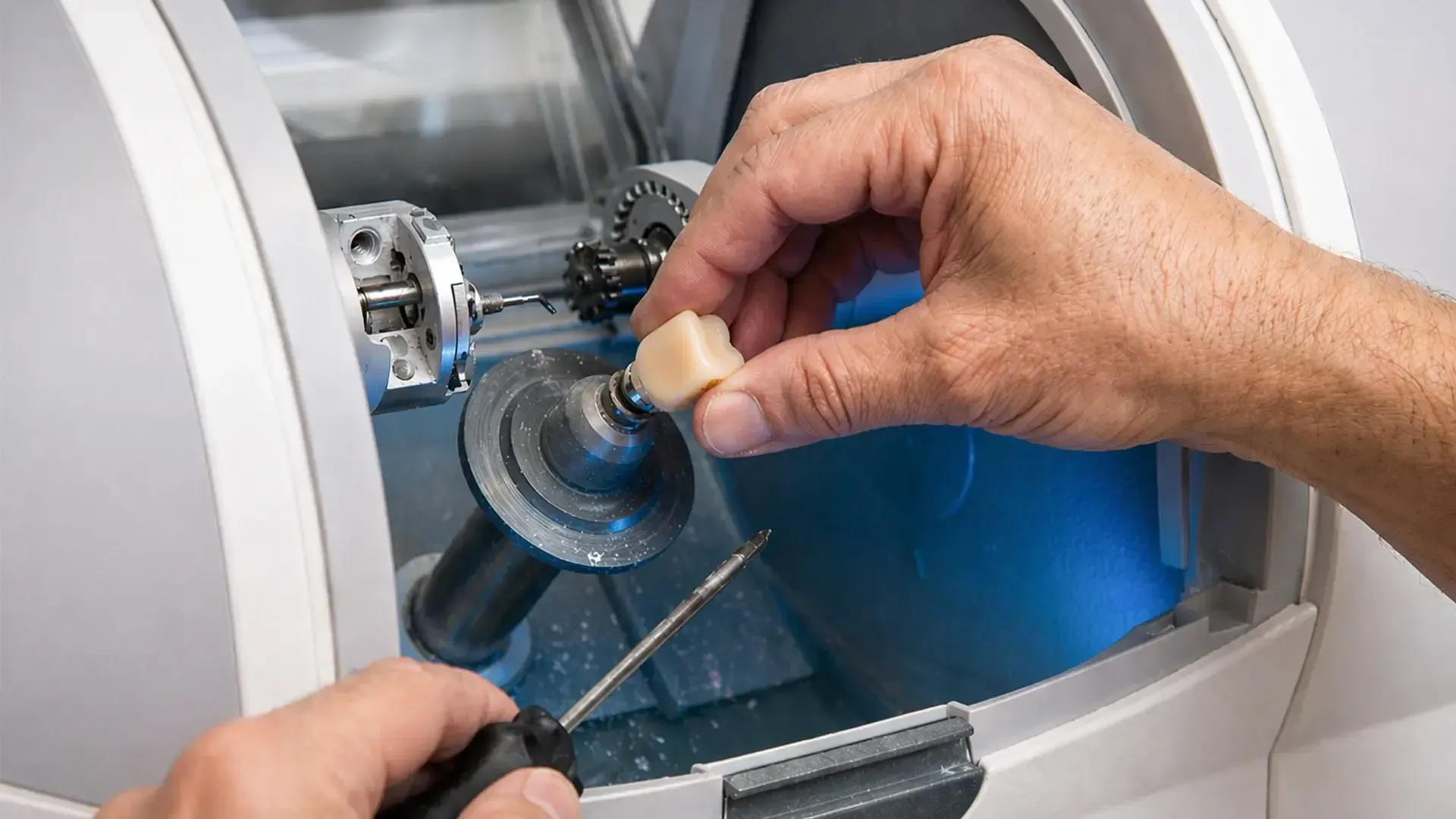
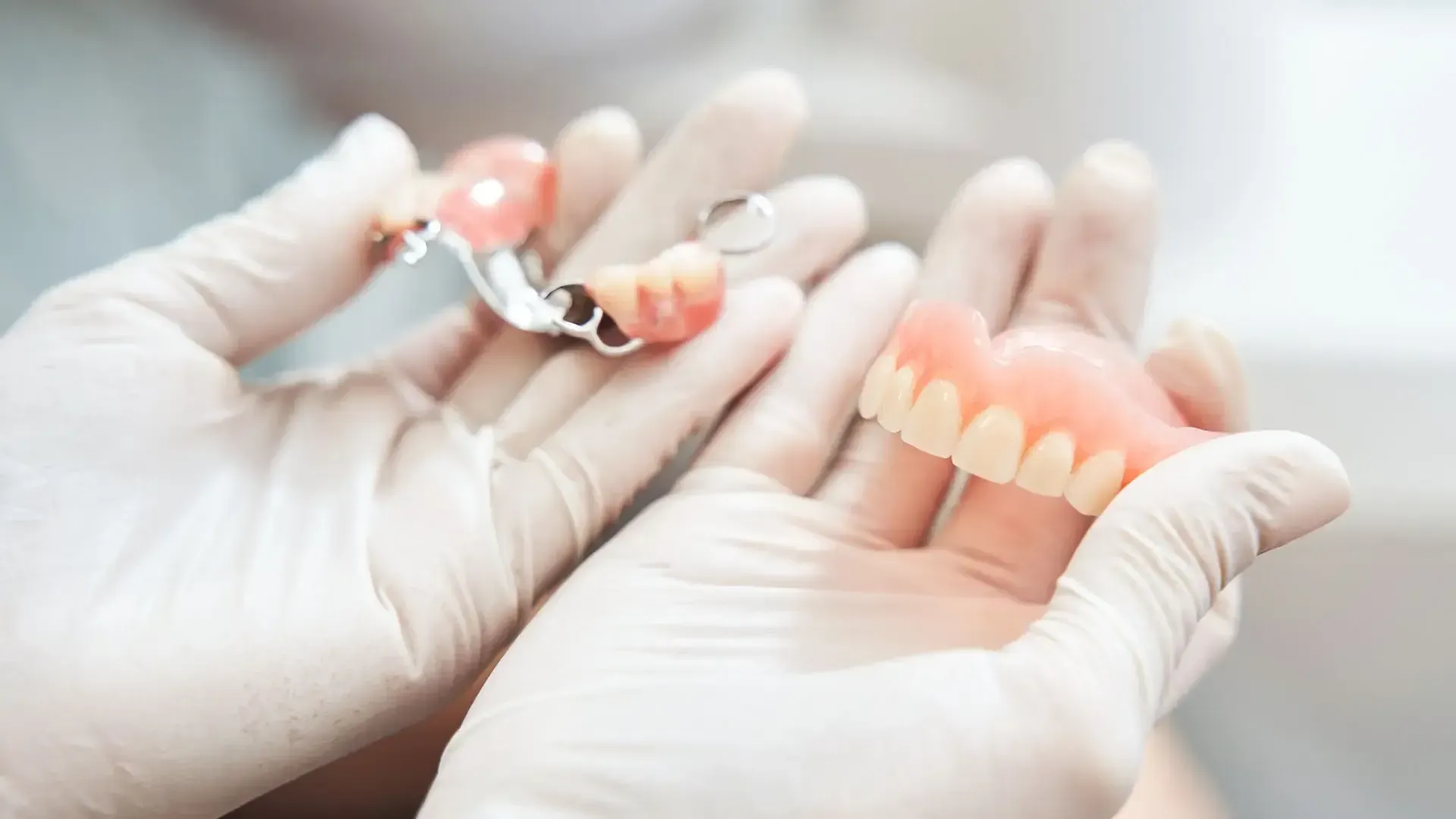
Every tooth in your mouth has its own story. Some have been there from your first smile, handling bites, crunches, and years of daily wear and tear. But just like any hardworking team member, there comes a time when one of your teeth might be ready for a much deserved retirement. Why Replacing a Tooth is Important Maintaining a Healthy Bite: Your teeth work together like a well-coordinated team. Preserving Bone Health: Teeth play a crucial role in keeping your jawbone strong and healthy. Preventing Shifting or Gaps: Without a replacement, neighboring teeth may tilt into the gap. Boosting Confidence: A complete smile isn’t just about functionality; it’s also about how you feel. Tooth Replacement Options Dental Implants: The gold standard of tooth replacement. Dental Bridges: A functional and affordable choice. Dentures: Versatility for multiple replacements.
May 15, 2025
Do you need affordable dental care but don’t have insurance? Or maybe you’re tired of traditional dental insurance with its confusing terms, high premiums, and unpredictable coverage? A dental membership plan could be the solution you’ve been looking for! What is a Dental Membership Plan? Simply put, a dental membership plan is an in-house subscription service that gives you access to dental care at a discounted rate. Why Choose a Membership Plan Over Insurance? Affordable Pricing: Say goodbye to high premiums and surprise fees. Simple and Transparent: No waiting periods, no claims to file, and no confusing restrictions. No Deductibles or Maximums: Membership plans don’t cap your benefits or require you to meet a deductible. What’s Included in a Dental Membership Plan? Routine Preventive Care Access to Fluoride Treatments Discounts on Treatments Peace of Mind for Emergencies
May 1, 2025
If it’s been a while since your last dental visit, you might feel a little hesitant or even embarrassed about booking an appointment. Maybe six months slipped into six years, and now just the thought of sitting in the dentist’s chair feels intimidating. But here’s the truth—it’s never too late to take control of your oral health, and there’s absolutely no need to feel ashamed. Why Compassion Matters We’ve heard it all before: “I’m afraid the dentist will judge me for the condition of my teeth.” “I know I should have come sooner, but I just couldn’t.” “I don’t even know how bad it’s gotten.” Building a Welcoming Environment A Warm Welcome: From our friendly front desk team to the smiling faces of our dental staff, everyone you meet is here to make your experience as positive as possible. Clear and Open Communication: We prioritize clear communication at every step of your visit. Your Comfort Comes First: Gentle techniques and thoughtful accommodations are at the heart of our care. Small Steps, Big Impact If you’ve been avoiding the dentist because you’re worried about catching up after a long gap in care, remember this—you don’t have to overhaul everything overnight.
April 15, 2025
Does the thought of visiting the dentist make your palms sweat or your heart race a little faster? If it does, you’re far from alone. Why is Dental Anxiety So Common? Fear of pain Lack of control Negative past experiences Sensory overload Practical Tips to Ease Dental Anxiety Communicate openly with your dentist. Practice deep breathing or mindfulness. Bring a comfort item like a stress ball or headphones.